



Heart Attack: Causes, Symptoms, Treatment & Prevention
Jul 29, 2026
Heart Attack: Causes, Symptoms, Treatment & Prevention
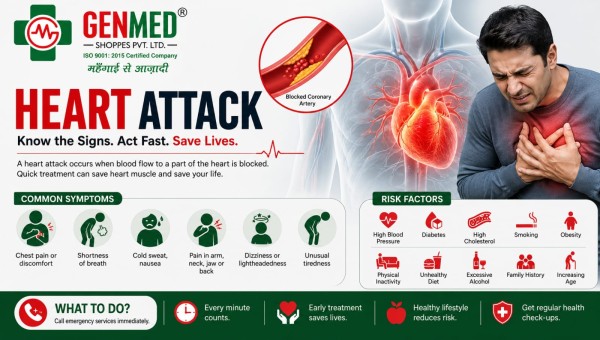
A heart attack (myocardial infarction) is a serious medical emergency that occurs when blood flow to part of the heart muscle becomes blocked. Without quick treatment, the affected heart muscle can become permanently damaged.
What Causes a Heart Attack?
The most common cause is coronary artery disease, where fatty deposits (plaques) build up inside the arteries that supply blood to the heart. If a plaque ruptures, a blood clot can form and block blood flow.
Risk factors include:
-
High blood pressure
-
High cholesterol
-
Diabetes
-
Smoking or tobacco use
-
Obesity
-
Physical inactivity
-
Unhealthy diet
-
Excessive alcohol use
-
Family history of heart disease
-
Increasing age
Common Symptoms
-
Heart attack symptoms can vary from person to person. Common warning signs include:
-
Pressure, squeezing, fullness, or pain in the center or left side of the chest
-
Pain or discomfort spreading to the arm, shoulder, back, neck, jaw, or upper abdomen
-
Shortness of breath
-
Cold sweat
-
Nausea or vomiting
-
Dizziness or lightheadedness
-
Unusual tiredness
-
Women, older adults, and people with diabetes may sometimes have less typical symptoms.
What to Do During a Suspected Heart Attack
A suspected heart attack requires immediate emergency medical attention. Do not wait to see if symptoms go away.
-
Call your local emergency medical service immediately.
-
Keep the person resting and as calm as possible.
-
Do not drive yourself to the hospital if emergency medical services are available.
-
Follow the emergency operator's instructions.
-
If the person becomes unresponsive and is not breathing normally, begin CPR and use an AED if available.
-
Do not delay emergency care to try home remedies or self-medication.
How Is a Heart Attack Treated?
Treatment depends on the type and severity of the heart attack. Doctors may use medicines and procedures to restore blood flow to the heart. Treatment can include:
-
Antiplatelet medicines
-
Anticoagulants
-
Medicines to control blood pressure and cholesterol
-
Other heart medications
-
Angioplasty and stent placement
-
Coronary artery bypass surgery in selected cases
-
Treatment should always be determined by qualified medical professionals.
Prevention
Many heart attacks can be prevented or their risk reduced by:
-
Not smoking or using tobacco
-
Maintaining a healthy weight
-
Eating a heart-healthy diet
-
Exercising regularly as advised by a healthcare professional
-
Controlling blood pressure, cholesterol, and blood sugar
-
Taking prescribed medicines correctly
-
Managing stress
-
Getting regular health checkups
Recent Post
Fungal Infection: Causes, Symptoms, Treatment & Prevention

Weight Loss: A Simple Guide to Healthy and Sustainable Results
Gas & Acidity: Causes, Symptoms and Simple Ways to Prevent It

Hair fall,Repair Damaged Hair and Bring Back Its Natural Shine…
Will I ever be able to manage the lifelong medical expenses of diabetes, thyroid, and BP medicines.!

We offer an 80% discount on branded products — your question is valid, let's see the answer.
How to know which medicine is suitable for your illness?
Pimples : Is Permanent Treatment Really Possible ?
Monsoon Prevention Tips (Your Action Plan)
Understanding Dengue Fever: Symptoms, Prevention, and Treatment